ONE ENGINE.
EVERY OPERATION.
SENTATRON is a standalone kinetic operating system. It reads the physics of any signal in motion — a crew falling behind, a fire spreading, a patrol pattern shifting, a construction phase drifting, an intel stream accelerating — and predicts the trajectory before it breaks.
The same math that predicts a schedule bottleneck predicts a fire's spread. The sector changes. The physics doesn't.
The Core Idea
EVERYTHING IS A SIGNAL IN MOTION.
A crew running late, a fire spreading, a patrol pattern shifting, a construction phase drifting, an intel stream accelerating — these are all kinematic events. They have mass, velocity, and trajectory. SENTATRON reads the physics and projects where the signal is heading, not just where it is.
Deviation Rate
How far the signal has drifted from its expected baseline. The first indicator that an operation is leaving normal parameters.
Kinematic Velocity
How fast the signal is changing. A gradual drift is manageable. A near-vertical spike is a critical trajectory.
Kinetic Index
When deviation and velocity cross simultaneously, the kinetic index spikes. That's the critical trajectory signature.
The Kernel
ONE MATH. FIVE LOOPS.
The SENTATRON kernel runs the same five computational loops regardless of domain. The sector provides the data; the kernel provides the intelligence.
Deviation Rate (D)
Absolute percentage deviation from the baseline. The fundamental measure of how far a signal has left its normal operating envelope.
Structural Mass (M)
Digit-reduction on the signal value — a domain-agnostic structural weight that makes larger readings carry more kinetic energy.
Kinetic Index (KI)
M × (SCALE / D) — the combined index that amplifies when mass and deviation intersect.
Kinematic State
Velocity, acceleration, and a normalized rapidity index derived from the signal's history window. This is what distinguishes a gradual drift from a vertical spike.
Deterministic Classification
Five rules (R1–R5) fire in order. The first match wins. Every decision emits an immutable audit receipt for compliance replay.
Three Universal Directives
STABLE
Signal within normal parameters. No action required.
OBSERVE
Elevated trajectory. Monitor closely before it escalates.
RAPID RESPONSE
Critical trajectory. Immediate action required.
The Domains
ONE KERNEL. FIVE SECTORS.
Each domain provides its own data and directive labels. The kernel provides the intelligence. The physics transfers directly across all of them.
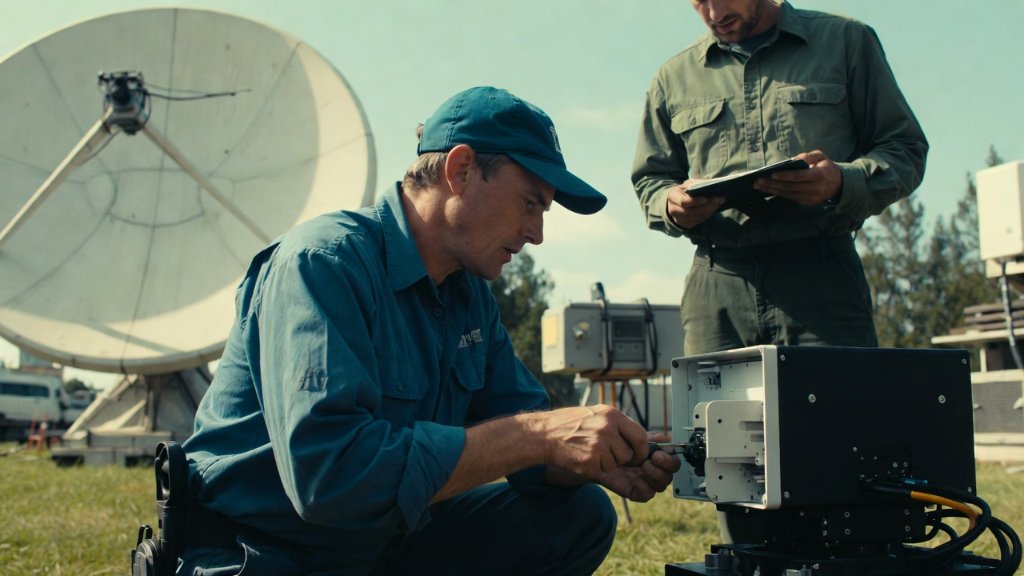
Field Service
Track crews, jobs, and work orders. Predict schedule bottlenecks before the day collapses.
Signal: task_duration / crew_velocity

Construction
Monitor project flow across crews and phases. Catch schedule drift before it cascades.
Signal: phase_completion / resource_mass
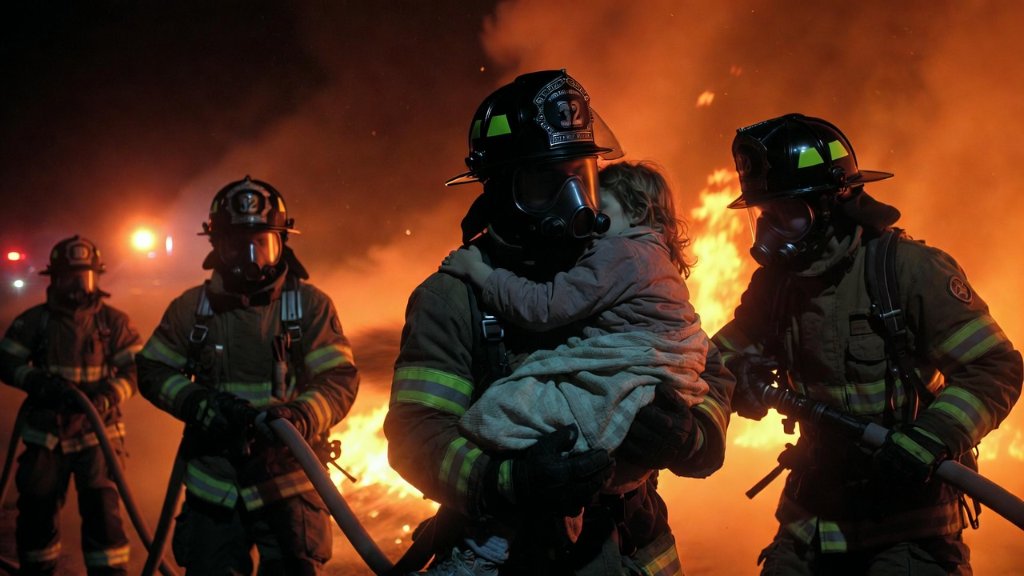
Fire Response
Read thermal trajectory and crew proximity. Dispatch backup before critical escalation.
Signal: thermal_load / spread_velocity
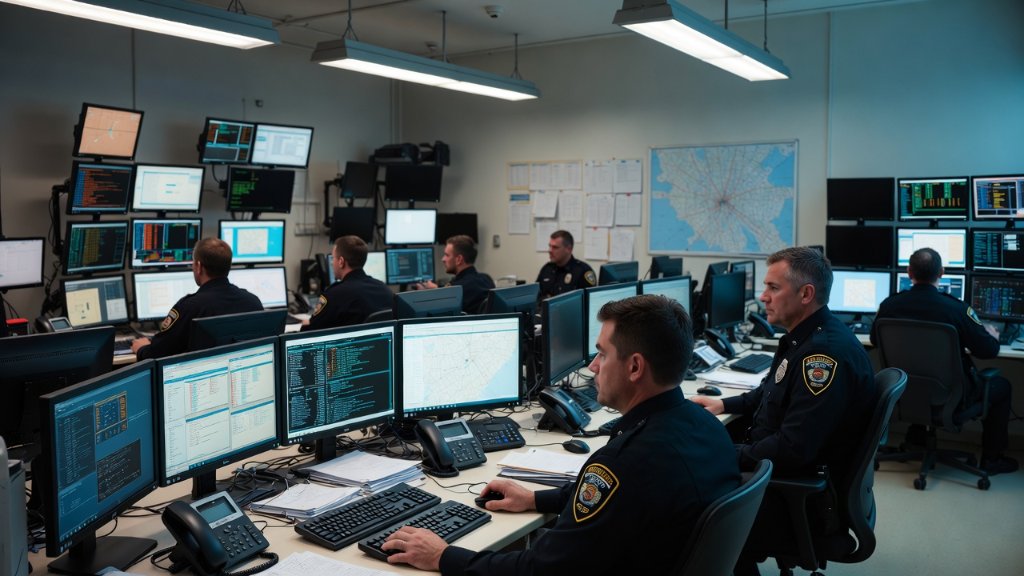
Law Enforcement
Detect urban flow anomalies. Flag unusual crowd or vehicular density before incidents.
Signal: area_density / movement_velocity
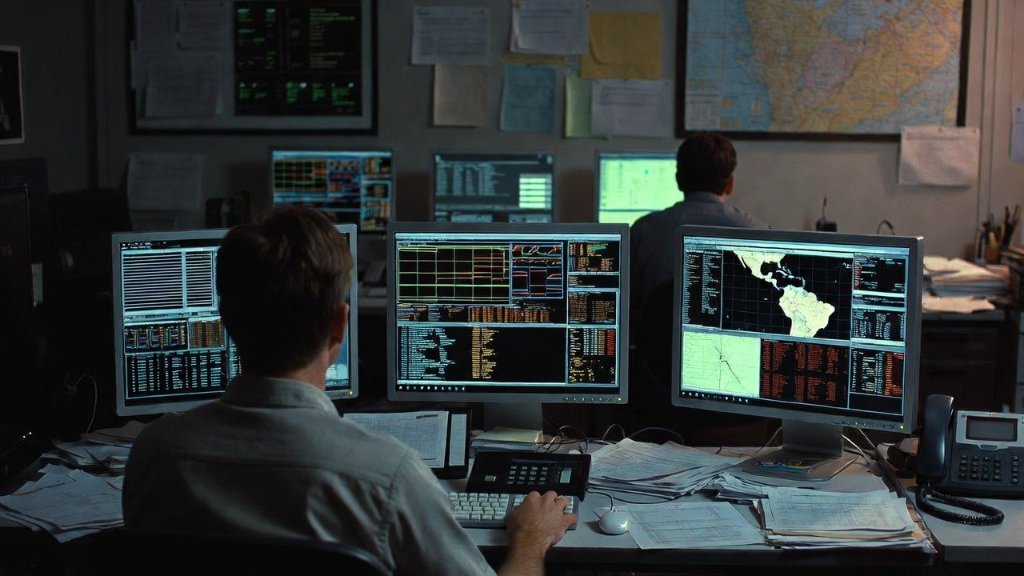
Intelligence
Map the velocity of information propagation. Predict where data streams collide with security.
Signal: signal_propagation / data_velocity
Why This Changes Everything
THE PHYSICS TRANSFERS. THE VALUE FOLLOWS.
The same kinetic kernel runs across every domain. Here's what that means for each sector — and why it changes how they operate.
Field Service
Signal: task_duration / crew_velocity
The Scenario
A field service crew is dispatched to complete 5 jobs across the city. Job 3 runs 25 minutes over the planned duration. The dispatcher doesn't notice — they're managing 40 other crews. By the time the crew arrives at Job 4, the customer has already called to complain, and the afternoon route is collapsing.
Why This Is a Game-Changer
From "Reactive" to "Predictive"
Dispatchers usually find out a crew is behind schedule only when the customer calls to complain. SENTATRON reads the kinetic trajectory of task completion and flags the bottleneck before the morning route collapses — giving dispatch a 30-minute head start to reroute or send backup.
Crew Momentum Visibility
The kernel understands that a crew gradually falling behind has a different kinetic signature than one that hit an unexpected wall. It prioritizes the crews whose trajectory is trending vertical — not just the ones who are currently late.
Resource Reallocation
Because the engine reads the Structural Mass of each job (dependencies, customer impact, contract penalties), it tells the dispatcher which delay is "heaviest" — ensuring the right backup crew gets sent to the right job first.
In short, SENTATRON turns field service from a place of reactive response into a place of flow management.

Construction
Signal: phase_completion / resource_mass
The Scenario
On a high-rise build, the Framing Crew on Floor 12 is scheduled to finish in 5 days, with the MEP crew following 3 days behind. A weather delay and a missing material delivery slow framing by 20% on Day 1. The project manager doesn't realize the delay is accumulating — until the MEP crew shows up to a floor that isn't ready and stands idle for two days.
Why This Is a Game-Changer
From "Blame" to "Physics"
Usually, when a schedule slips, project managers argue about whose fault it was. SENTATRON removes the emotion — it just shows the Kinetic Trajectory. It shows that if the framing crew doesn't accelerate now, the MEP crew will be delayed by X hours later.
Optimizing the "Hand-off"
In construction, the most money is lost during the hand-off between trades. SENTATRON treats the schedule like a fluid, ensuring the "Flow" remains smooth so that no trade ever shows up to an incomplete site.
Mass-Dependency Visibility
Because the kernel understands the Structural Mass (dependencies), it knows that a 1-hour delay in the foundation is "heavier" than a 1-hour delay in the finishes. It prioritizes the "heaviest" kinetic issues to ensure the project meets the deadline.
In short, SENTATRON turns construction from a place of reactive response into a place of flow management.
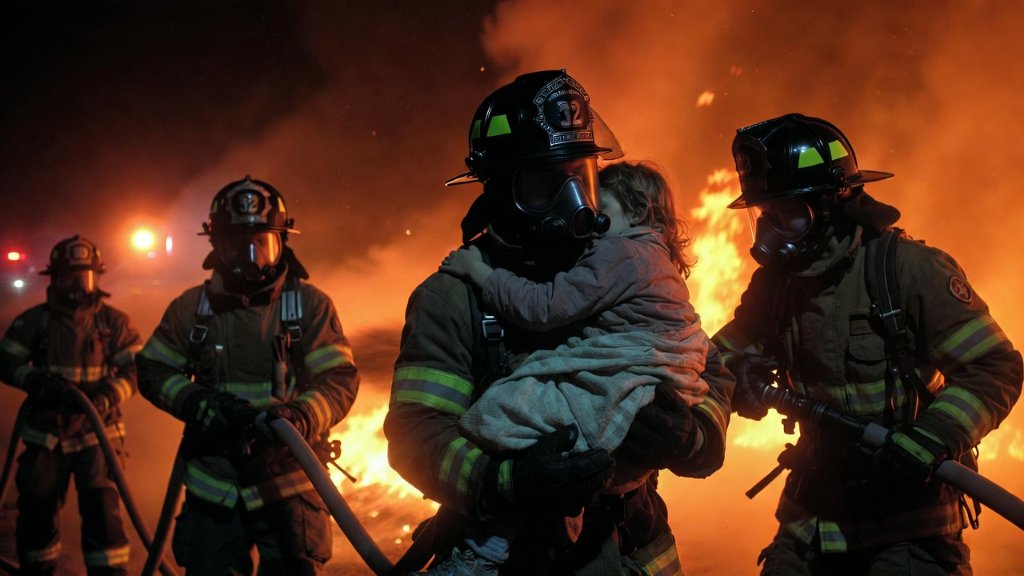
Fire Response
Signal: thermal_load / spread_velocity
The Scenario
A brush fire is monitored by thermal sensors along a ridge. The temperature at Sensor 4 reads 180°F — elevated, but not yet critical. The incident commander sees the number and holds position. What they can't see is that the thermal load is accelerating at 4x the normal rate, and the fire is heading toward a populated evacuation zone.
Why This Is a Game-Changer
Reading the Fire's Physics
Traditional monitoring shows temperature at a single sensor. SENTATRON reads the kinematic trajectory — how fast the thermal load is accelerating and in what direction — giving incident command a predictive picture of where the fire is heading, not just where it is.
Pre-Escalation Dispatch
Because the Rapidity Index detects near-vertical thermal trajectories, the engine triggers backup dispatch before the fire reaches critical intensity — not after. The crew arrives ahead of the curve, not behind it.
Crew Safety Zoning
The kernel's Structural Mass calculation weighs crew proximity against thermal velocity. It tells command which sectors are becoming unsafe for crews in real time, enabling pull-back decisions before conditions deteriorate beyond escape thresholds.
In short, SENTATRON turns fire response from a place of reactive response into a place of flow management.
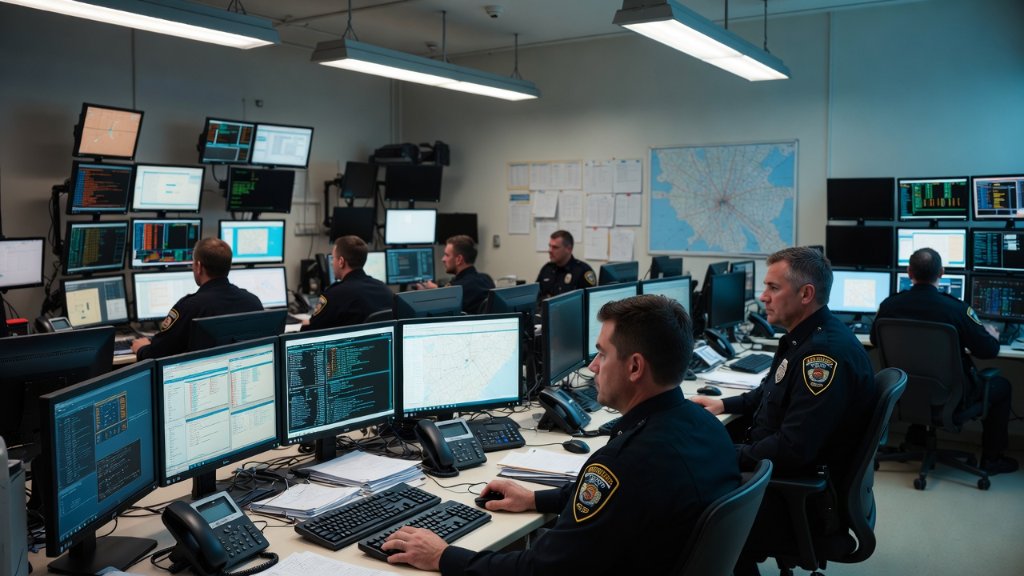
Law Enforcement
Signal: area_density / movement_velocity
The Scenario
On a Tuesday at 2:00 PM, Sector-7 usually generates 2 calls for service per hour — mostly minor noise complaints. Suddenly, 7 calls arrive in 15 minutes. The dispatcher sees individual incidents piling up on the board and assumes it's just a busy afternoon. In reality, the kinetic energy in the sector is spiking vertically — a critical anomaly that will escalate within the hour.
Why This Is a Game-Changer
Transforming "Busy Noise" into Predictive Warning
Without this, dispatchers might just see a list of individual calls and think, "It's just a busy Tuesday." The kinetic engine sees that the energy in Sector-7 is currently vertical — it is getting dangerous, fast — and tells the command center to send a patrol car now, before the situation evolves into something that requires a much larger response.
Trajectory Over Threshold
Traditional systems alert only when a call count crosses a fixed threshold. SENTATRON alerts when the rate of change itself is abnormal — meaning it catches the spike while it's still forming, not after it's already crossed the line.
Sector Prioritization
By reading the Rapidity Index across all sectors simultaneously, the engine tells command exactly which neighborhood is trending critical — so limited patrol resources are deployed where the physics says they're needed most.
In short, SENTATRON turns law enforcement from a place of reactive response into a place of flow management.
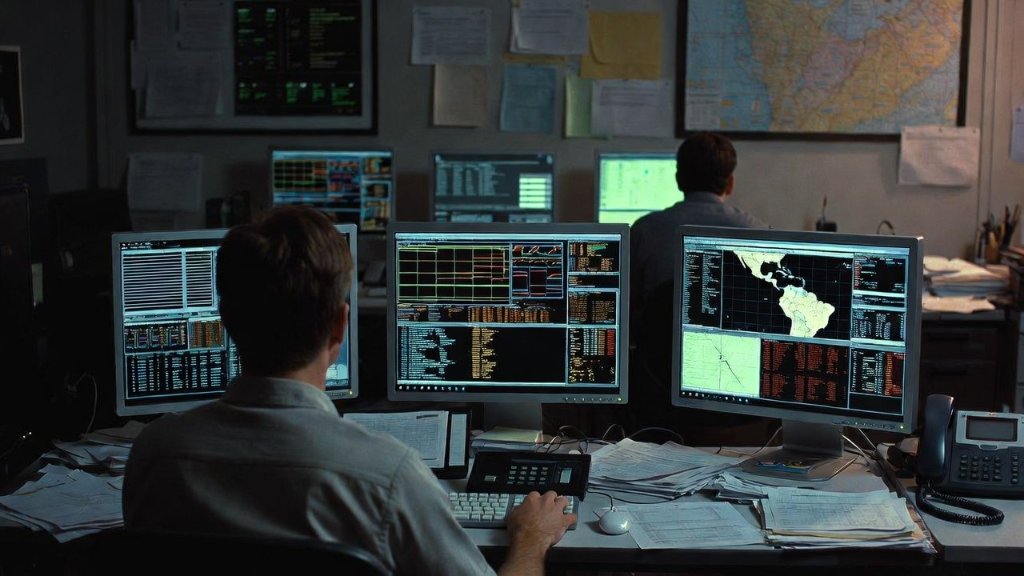
Intelligence
Signal: signal_propagation / data_velocity
The Scenario
An intelligence analyst is monitoring a geopolitical hotspot — Sector-Alpha. Public social media chatter decreases significantly, while encrypted metadata pings in a specific frequency increase proportionally. The total volume of activity looks normal. But the shape of the signal has changed — energy is moving from public to private, and it's moving fast.
Why This Is a Game-Changer
Finding the "Hidden" Spike
A human analyst might look at the total volume of activity and see nothing out of the ordinary. SENTATRON looks at the Kinetic Trajectory — it sees that the energy of the communications has changed shape, even when the total volume hasn't.
Zero-Guessing
SENTATRON doesn't need to know what the secret communication says. It only needs to know that the kinetic energy of the communications is moving in a way that is mathematically abnormal. The physics reveals the anomaly without decrypting a single message.
Prioritization
It takes those thousands of pings and tells the analyst: "Ignore everything else. Focus on Sector-Alpha. The signal trajectory is currently critical." It forces the most important anomalies to the top of the pile, turning a chaotic flood of data into a prioritized workflow.
In short, SENTATRON turns intelligence from a place of reactive response into a place of flow management.
Architecture
THE STACK
Domain Layer
Each sector provides a Domain Profile — directive labels, threshold tuning, and field mappings. This is the only layer that changes between a fire department and a construction firm.
Kinetic Kernel
The universal math — five computational loops that never change. Deviation, Mass, Index, Kinematics, Classification. Domain-agnostic and immutable.
Ingestion Layer
A universal API endpoint. Every domain pushes readings through the same ingest structure. The fire bridge and the field service bridge speak the same protocol.
Audit Layer
Every decision emits an immutable audit receipt — input hash, kinematic snapshot, rule fired, engine version. Regulators can replay any decision without trusting a black box.
DEPLOYMENT
HOW SENTATRON INTEGRATES
A standardized five-step integration process gets SENTATRON live on your operation without replacing your existing infrastructure. Full production deployment typically takes 4–10 weeks, depending on operational scope, data availability, cybersecurity requirements, and the condition of your existing telemetry environment. Software overlay only — no new hardware, no rip-and-replace.
CONNECT
Point SENTATRON at your operational telemetry bridge. No new hardware — the engine ingests the same data your operation already produces.
MAP
Map your signal vocabulary to the kinetic kernel. Define your baselines, sectors, and asset labels so the engine speaks your operational language.
BASELINE
Establish the structural baseline for every signal. The engine learns your normal operating envelope — deviation is measured against this, not a generic threshold.
VALIDATE
Run the engine in advisory mode alongside your existing workflow. Confirm the directives align with your operational reality before going live.
DEPLOY
Go live. Choose your approval mode — advisory, assisted, or autonomous — and the engine begins issuing directives with full audit receipts.
HARDENED AT THE GATE
Every inbound telemetry reading is authenticated against a per-license API key and passed through a standardized ingest security layer that enforces input validation, rate limiting, and replay protection. Spoofed, duplicated, or malformed signals are rejected before they ever reach the kinetic kernel — ensuring SENTATRON only acts on verified, trustworthy data.
AUDIT RECEIPTS
Every directive SENTATRON issues is sealed with a deterministic audit receipt — an immutable provenance packet containing the input hash, kinematic snapshot, the exact classification rule fired, the engine version, and a timestamp. This receipt enables full compliance replay: regulators and operators can reconstruct exactly why a directive was issued, long after the event occurred.
SENTATRON is an operational decision support tool, not a safety-critical control system. All directives are mathematical projections based on telemetry deviation and kinematic trajectory. Integration does not modify or replace your existing operational infrastructure.
YOUR OPERATION IS IN MOTION.
SENTATRON READS THE TRAJECTORY.
One engine. Five sectors. The physics of operational intelligence.